
Pontis Biologics, Inc. Core Team and Leadership
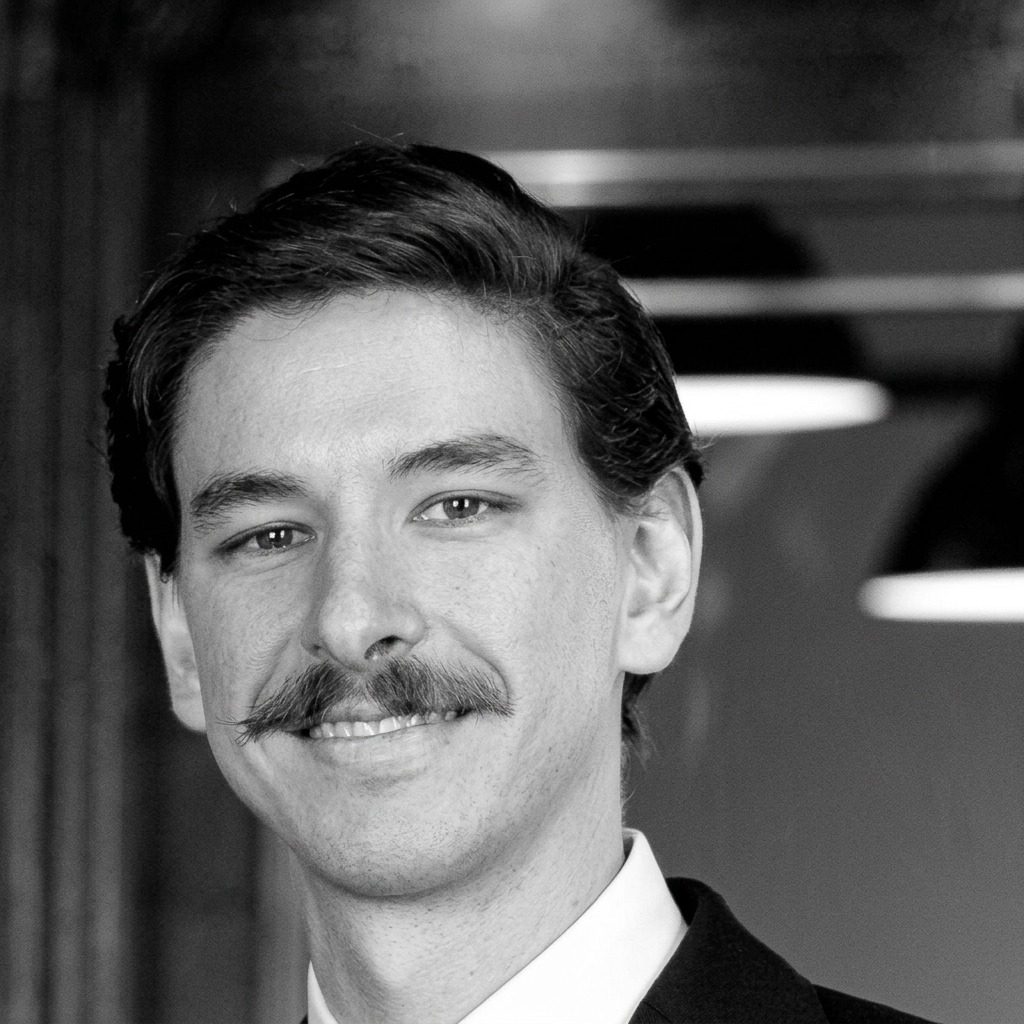
Miguel Titarelli – CEO
Miguel Titarelli began his career in pharmaceutical pricing and market access, spending nearly seven years in healthcare-focused management consulting, first at Simon-Kucher & Partners and then at EVERSANA Management Consulting. He worked across launch and cornerstone assets for major pharmaceutical clients, owning pricing, payer segmentation, and brand planning for brands worth roughly $1B in annual revenue — work recognized with EVERSANA’s Impact Award.
In 2021, he moved to Mahana Therapeutics, working directly with the CEO and CCO on enterprise- and consumer-level product, pricing, and go-to-market decisions, and leading a strategic partnership with a top-25 global pharmaceutical company that closed for more than $15M in deal value.
Miguel met Tanuj during his time in management consulting, working closely together on multiple client engagements. When Miguel joined Mahana Therapeutics, Tanuj connected him with Pontis Biologics, Inc., and Miguel came on as a strategic advisor in 2021. In that role, he helped shape several strategic decisions and commercial pitches, building deep familiarity with Pontis Biologics, Inc.’s core product and market fit.
Miguel became Pontis Biologics, Inc.’s Chief Executive Officer in 2023, building the company’s product strategy, advisory board, and go-to-market approach, and leading its seed fundraising round. Today, he is focused on the company’s next stage of commercialization — standing up manufacturing and securing additional funding.
He holds a BS in business administration, with concentrations in finance and operations management, and a BA in economics, both from Boston University and both awarded magna cum laude. He is fluent in Spanish, Portuguese, and English.
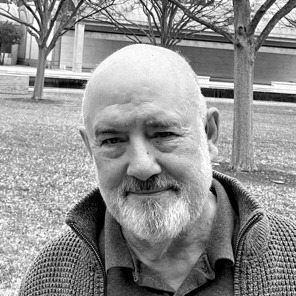
Dennis Mynarcik – Founder and Chief Scientific Officer
The idea behind Tartarase came to him in a bathroom mirror.
Dennis has always formed tartar heavily. In the chair at Stony Brook’s School of Dental Medicine, he asked a periodontist what the deposit actually was. Fossilized bacteria, they said. That sent him to the literature, where he found researchers extracting and sequencing DNA from calculus on Neanderthal skulls.
He recognized the implication at once, because he had been dismantling human adipose tissue to isolate stem cells – where DNase I is a routine ingredient, since without it the DNA released from ruptured cells turns the whole preparation into a gel. He ordered DNase I on his own credit card, tapped some powder into a shot glass with a little water, dipped a bamboo skewer from his kitchen, and scraped a patch of tartar between his lower incisors. It crumbled. That connection – between a reagent used on fat tissue and a deposit on teeth – is characteristic.
Dennis left full–time study at 20 to work as a lab assistant at the Southwest Foundation for Research and Education, finishing his degree at night. Over 10 years there, he built assays across parasitology, virology, immunology, and clinical chemistry, developing a radioimmunoassay for synthetic estrogens at the dawn of that field. He describes it as an apprenticeship, and it left him without the boundaries that specialization usually instills.
He took his PhD in biochemistry at Cornell University Graduate School of Medical Sciences, held an NIH NRSA fellowship at Sloan Kettering, and spent three decades at Stony Brook University, where he and Jonathan Whittaker mapped the atomic contacts between insulin and its receptor – work that provided the interpretive framework when the receptor’s crystal structure was published.
He was the first to show that rosiglitazone could restore adipose tissue and improve insulin sensitivity in HIV–associated lipodystrophy, supported by two NIH grants. He has co–founded two previous biotechnology companies, holds patents in both phage peptide display and enzymatic calculus removal, and has 33 publications.
“Dennis joined my lab in the early 1990s to map the insulin binding site by alanine-scanning mutagenesis, at a time when the techniques were in their infancy. The quality of his technical performance was simply impeccable. The results he obtained have since been confirmed by X-ray crystallography and single-molecule cryo-EM.”
– Jonathan Whittaker, MD
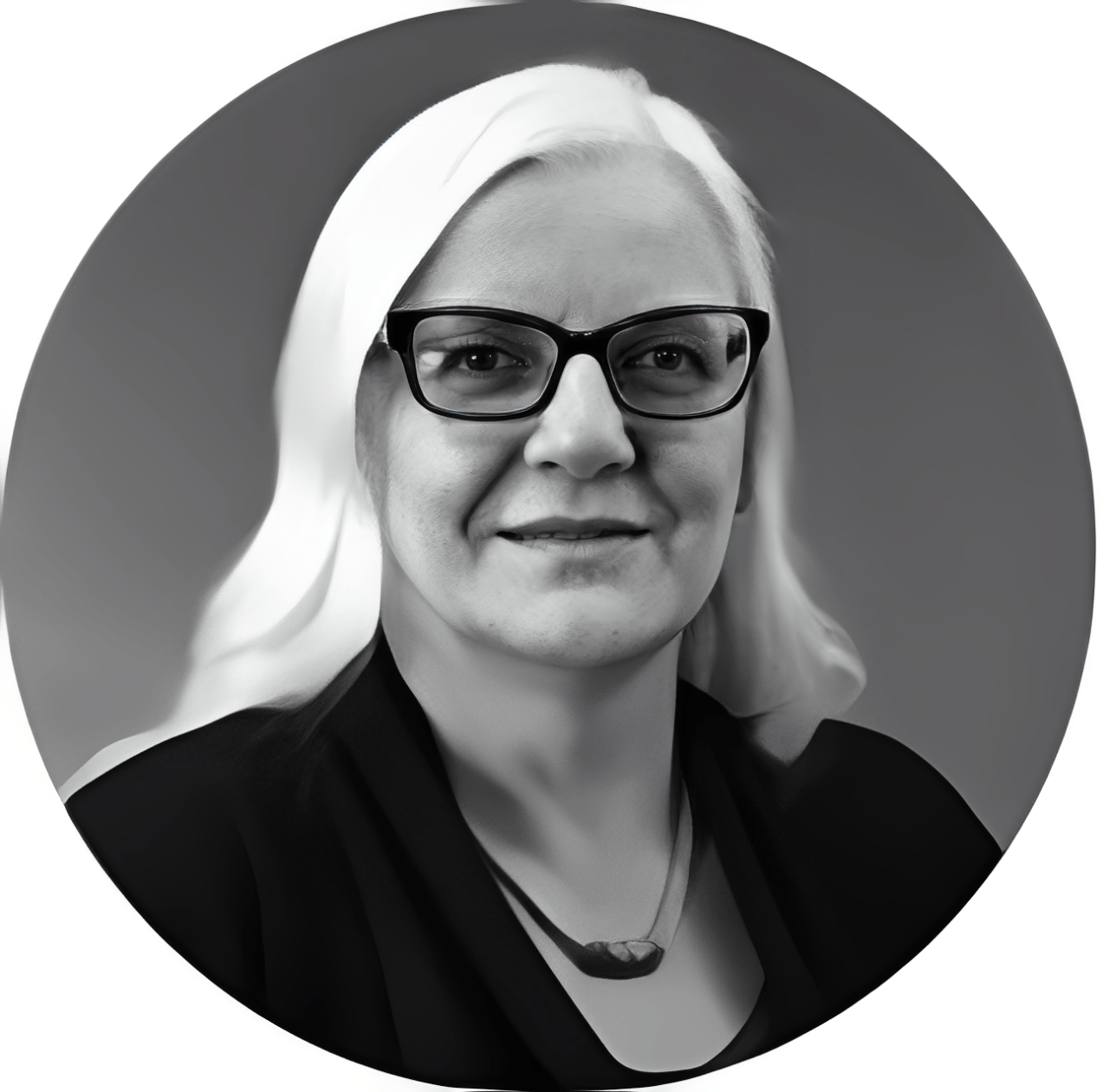
Barbara Mish – Head of Analytics and Formulation
Barbara Mish has spent her career building the methods that tell you whether something works. Her interest in science began in a high school career program at the Nassau County Medical Examiner’s office, where she assisted with autopsies and first learned laboratory techniques. She continued volunteering there while at Hofstra University on a full scholarship and completed her degree at SUNY Stony Brook.
After several years in a clinical laboratory, she moved into research — first at Columbia University, on the biochemistry of lipoproteins, and then to the Howard Hughes Medical Institute as Research Specialist and Laboratory Manager for Barry R. Bloom, later Dean of the Harvard School of Public Health. There she worked on vaccines against rabies and tuberculosis, and on the early adoption of microarray printing and assay.
At Cold Spring Harbor Laboratory, she studied brain cell differentiation in mice, cloning fluorescent proteins into neural stem cells, and developing the PCR and protein assays required for the work, and helped implement the microarray facility. At Pall Corporation, she developed filters to remove infectious agents from blood and designed the assays used to validate them.
She joined Pontis Biologics, Inc. at its founding, having known Dennis Mynarcik since Bloom’s laboratory. Her work has ranged from efficacy methods to formulation, and she is now focused on commercialization and on reducing the cost of goods.
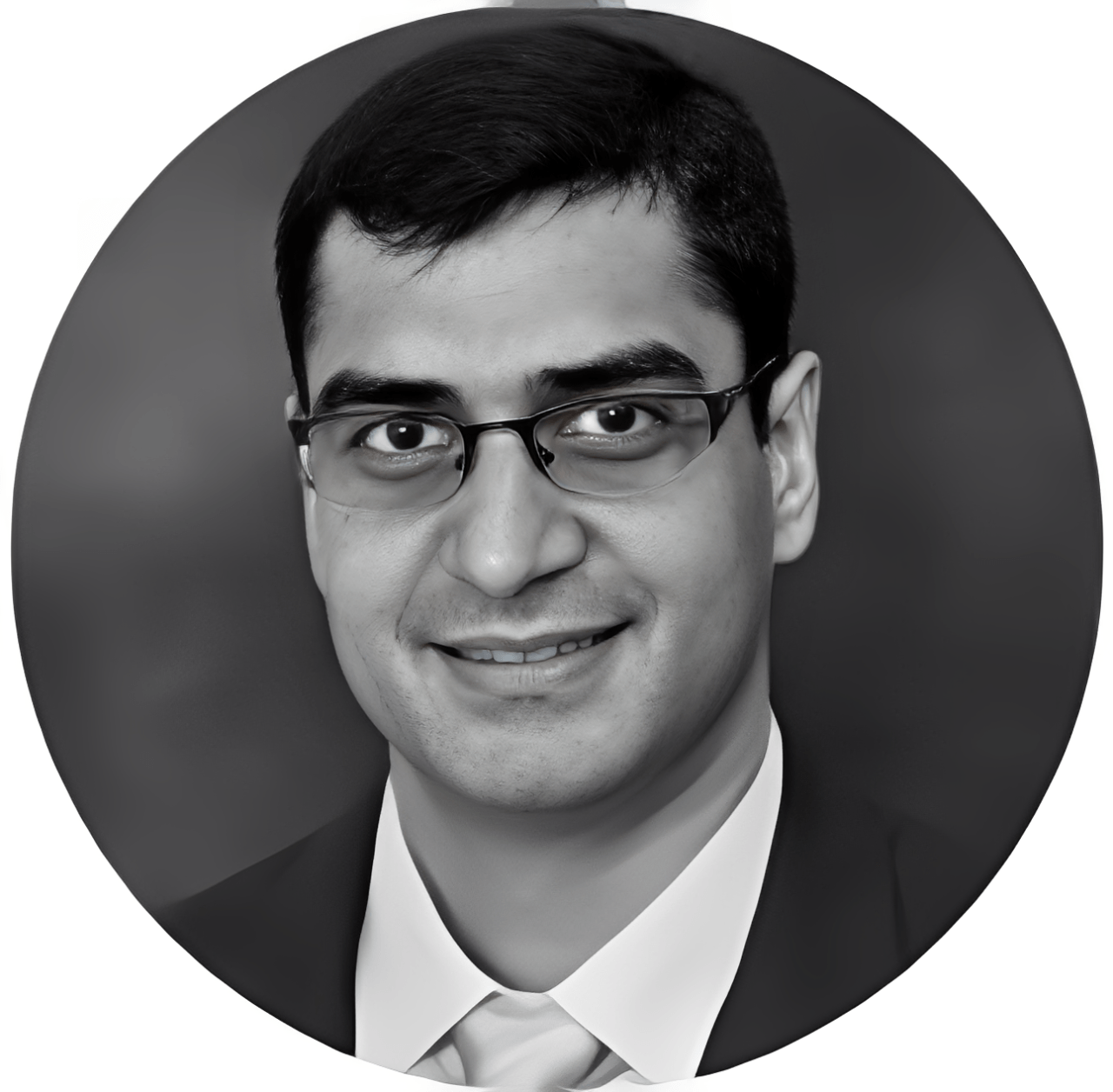
Tanuj Mehra – Senior Advisor
Tanuj Mehra began his career at the bench. As a molecular biologist and later project manager at Evotope Biosciences in Stony Brook, he spent five years at a company small enough that solving a protein production problem in-house was the difference between closing the next round and not closing it. It is an experience that still shapes how he reads early-stage science.
He left for the Fuqua School of Business at Duke, and then spent 15 years in strategy consulting — nearly a decade at Deloitte in New York, Basel, and San Francisco, and since 2020 at EVERSANA Management Consulting, where he is a Senior Partner and leads the West Coast practice.
He has worked on more than 200 engagements across the life sciences, for Fortune 500 pharmaceutical companies and for companies similar to Pontis Biologics, Inc., on the same recurring question: where growth actually comes from, and what it costs to get there.
He holds an MBA from Duke, an MS in biomedical engineering from Stony Brook University, where his thesis work on a therapeutic approach for burn injury was published in the Journal of Investigative Dermatology, and a BE in biomedical engineering from the University of Mumbai.